Printmaking is all about teamwork. A creative spark from an artist paired with the technical expertise of a master printer who knows how to bring that vision to life on paper. For over 50 years, the Brandywine Workshop and Archives (BWA) in Philadelphia has been at the center of that creative energy. The nonprofit institution, founded in 1972 by artist and educator Allan L. Edmunds, began as a local collective and has since grown into a globally recognized institution. Part working studio, part educational hub, and part living archive, Brandywine gives diverse artists from around the world the time, space, and tools to create original, limited-edition fine art prints.
Beyond the printing press, BWA is also about opening doors. From mentoring emerging artists to placing works in museums and universities across the country, Brandywine helps ensure art is not only created, but shared, celebrated and preserved for future generations.
We spoke with Executive Director Rebecca Morrison about Brandywine's rich history, the impact of its work and what's ahead for the organization.

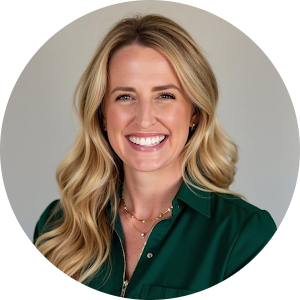
Rebecca Morrison Executive Director of Brandywine Workshop and Archives.
1. To start, could you tell us a little bit about yourself, your background, and what ultimately drew you to the role of Executive Director at Brandywine Workshop and Archives?
I’m a first-generation American. My family is from Jamaica, and it’s a huge part of my story. Growing up, my parents always exposed us to the performing arts, enrolling us in dance, singing and ice skating, as well as taking us to performances by the New York City Ballet, Alvin Ailey and, of course, the Radio City Christmas Spectacular.
As I developed my own interests, I gravitated towards the visual arts, often finding myself in museums during my free time. I graduated from Fordham University with a bachelor’s degree in marketing and spent almost a decade in strategy consulting at IBM. After COVID, I decided to go back to business school with the desire to do mission-based work.
At Wharton, I got involved in nonprofit work through a class called Mass Incarceration and the Role of Business. I ended up spending my last semester writing a succession plan for a nonprofit executive director, an experience that helped prepare me for my next chapter.
After graduation, I consulted with Brandywine Workshop and Archives and was given the opportunity to become Executive Director. I was so excited to lead a historic organization and felt honored to steward it and its collection into the next phase. Stepping into a founder-led organization has been an exciting challenge, made even more rewarding by such a supportive community.
There is a lot of misconception around prints and printmaking, but learning the medium and interacting with the artists has been an incredibly rewarding experience. I’m putting every class I took in business school to use every single day.
2. Brandywine has been part of Philadelphia's arts community for more than five decades. For someone discovering the organization for the first time, what makes Brandywine unique?
One of the things that makes Brandywine unique is that we offer opportunities for both emerging and established artists to create original, limited-edition fine art prints. Most print workshops work primarily with established artists, but we've always been committed to supporting artists at different stages of their careers. This also makes Brandywine a great place for collectors to start or expand their collections, because our prints are available at a range of price points.
We've worked with more than 450 artists over the years, and we have so many stories to tell through our archive, which includes prints dating back to the 1940s that are available for study. Our exhibitions feature work we've created in-house, along with prints that have been gifted to us, so there's a real opportunity to explore different artists, perspectives and periods of printmaking.
Education has also been part of our DNA from the beginning. Brandywine grew out of Prints in Progress, a program from the 1960s that brought artists and children together through printmaking. That commitment to giving back and exposing our community to this art form has always been central to who we are.
What's also interesting is that we're a team that's younger than the organization itself. We recognize how important succession and stewardship are in keeping historic institutions like Brandywine relevant and thriving for future generations. We're proud of the legacy we've inherited, and we're excited about the opportunity to build on it.

Willie Cole BWA Courtesy of Brandywine Workshop and Archives.
3. For people who might be new to the world of printmaking, a huge part of what makes Brandywine special is that visiting artists work shoulder-to-shoulder with master printers. What actually happens inside the studio during that process? What does that creative back-and-forth feel like?
Most of the artists we work with aren't printmakers by trade, so they rely heavily on the technical direction of their assigned master printer to bring their vision to life. When an artist arrives, they might sketch by hand or submit digital imagery depending on the technique we’re using. Those images are translated into matrices and run through the press onto paper, expanding the artist's practice into a new medium while keeping their distinct artistic fingerprint intact.
The back-and-forth is where the magic really happens, because in printmaking, every single layer and color counts. It’s not like painting where you can simply brush over a mistake. Over several weeks and multiple rounds of "proofing," we test colors, opacities, textures, and washes to build the piece layer by layer. As a staff, we even find ourselves betting on which proofs an artist will gravitate toward!
Often, master printers will push the experimentation between visits in directions the artist didn't even realize were possible. Once we reach that final visit and the artist signs off on the final approved image, the printers produce the edition, and the artist returns to inspect and sign each print.
How often do visual artists get to create so collaboratively? Seeing curious artists stretch their practice and learn from another set of eyes pushes everyone’s perspective. It creates an electric, deeply supportive studio environment.
4. Brandywine does so much outside the print studio as well, especially when it comes to mentoring young people and opening doors to creative careers. Why has building a welcoming, inclusive space for artists of all backgrounds always been such an essential part of the BWA story?
Printmaking is inherently a democratic medium. It allows artwork to exist in multiple places at once, it's accessible, and it can be practiced through high-level master techniques or with something as simple as sponges, potatoes, and your bare hands.
That democratic spirit extends directly to our leadership and mentorship pipeline. Being an Executive Director in my early 30s gives me a unique responsibility to keep that door wide open for the next generation. It’s powerful for young people to see someone who isn’t much older than they are leading a historic institution. It shows them what's possible.
We have high school and college students interning across every level of the organization. One of our recent interns, an art history major, curated her first solo exhibition here as a rising senior, learning everything from wall text writing to framing and spatial design. Combined with hiring our first full-time master printer to train apprentices, we're building a sustainable model that creates tangible career pathways in the arts.

El Anatsui Fellowship Courtesy of Brandywine Workshop and Archives.
5. Brandywine has a longstanding relationship with renowned artist El Anatsui, and you're now collaborating with the Philadelphia Museum of Art on an exhibition of his work. Can you tell us more about this partnership and how it reflects your vision for Brandywine's future?
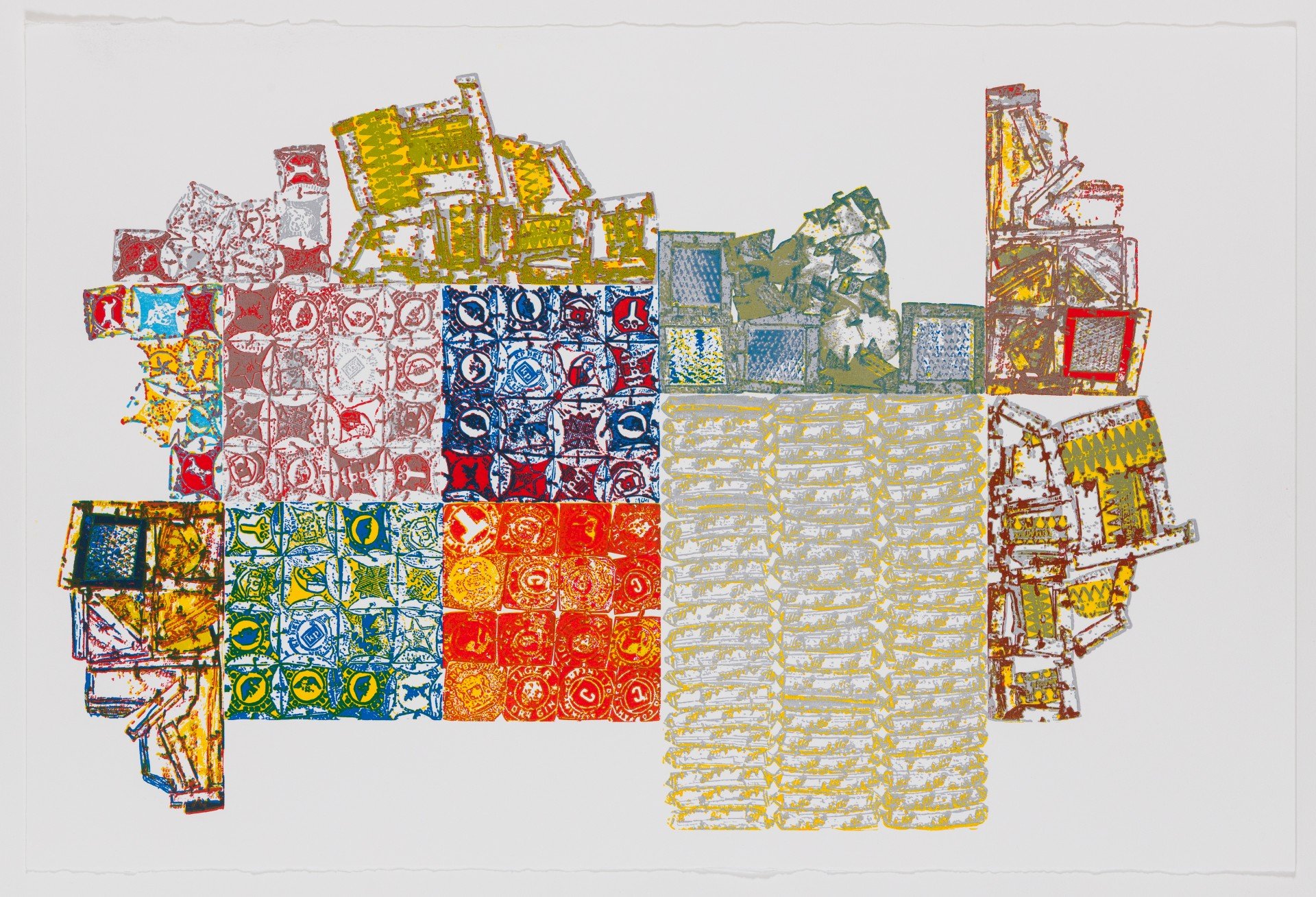
We've been working with El Anatsui for nine years, beginning with lithography and more recently producing variable woodcut editions. Through our relationship, El donated a bottle-cap installation that was auctioned, allowing us to establish a fellowship in his name that gives two artists each year the opportunity to produce prints with us.
We're now collaborating with the Philadelphia Museum of Art on an exhibition across both of our spaces, showcasing El's works on paper and the tools used to create them. It's an exciting opportunity to introduce audiences to another side of an artist they may already know and love, while highlighting printmaking as its own medium.
We've had the privilege of working with incredible artists over the years, including Julie Mehretu, Magdalene Odundo, Betye Saar, Romare Bearden and Sam Gilliam. Partnerships with artists like El and institutions like the Philadelphia Museum of Art help us bring greater visibility to Brandywine, our archive and the artists we've worked with. They also help us continue supporting emerging artists, which has always been central to our mission.
This exhibition really represents where we want to go: building meaningful collaborations that allow us to share these important bodies of work with broader audiences, introduce more people to printmaking and get prints into the hands of more collectors.
Continued Reading: Supporting the next generation of art handlers