At Crozier, we believe that a culture of excellence is only possible when every individual feels empowered to bring their authentic self to the table. In line with our commitment to fostering mutual respect and inclusive talent cultivation, we are honored to host a Q&A with Amy Harclerode, CEO of the Hetrick-Martin Institute (HMI). As the leader of the nation’s oldest organization dedicated to serving LGBTQIA+ youth, Amy has been a transformative force in advocacy, earning consecutive "Power Player" honors for her work in building affirming spaces and resilient communities. Through this conversation, we have the opportunity to learn from Amy’s leadership, HMI’s mission of empowerment, and the powerful example they set in creating spaces where young people feel seen, supported, and able to thrive.

Amy Harclerode, CEO of The Hetrick-Martin Institute
Crozier: HMI is a sanctuary for LGBTQIA+ youth, providing the 'affirming spaces' they need to thrive. As Crozier works to cultivate diverse talent equitably, what can we learn from HMI’s model to ensure that when these young people enter the professional world, they find the same level of safety, respect, and psychological safety in their careers?
Amy: One of the most important lessons we've learned at HMI is that inclusion isn't just about welcoming people into a space; it's about ensuring they have equitable access to opportunity, support, and community once they're there.
The young people we serve, particularly LGBTQIA+ and BIPOC youth, often navigate systems that haven't always been designed with their experiences in mind. What helps them thrive is knowing their identities are respected and that they have access to the resources and relationships that allow them to succeed.
For employers, that means looking beyond recruitment. Organizations should ask whether their employees have opportunities to grow, whether their perspectives are valued, and whether leaders are equipped to navigate differences with empathy and respect.
We don't need workplaces where everyone agrees on every issue. We do need workplaces where people can engage across differences, be treated with dignity, and feel they belong. That's what helps diverse talent thrive.

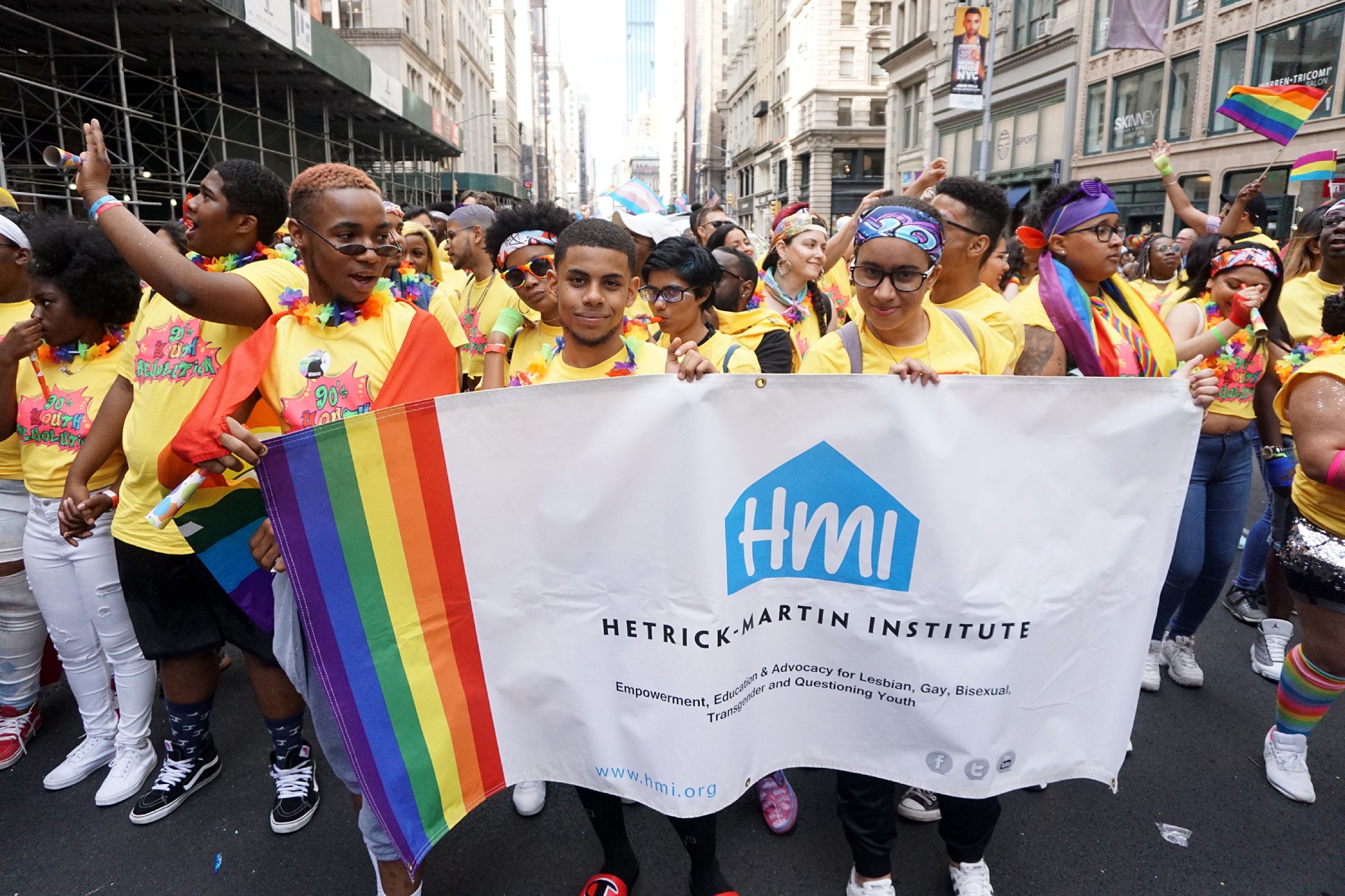
Photo Courtesy of The Hetrick-Martin Institute
Crozier: HMI is unique in its 'comprehensive package' of services—covering everything from mental health to housing and education. In your time as CEO, how have you seen this holistic approach change the trajectory for the youth you serve, and what does 'success' look like for a young person graduating from HMI’s programs?
Amy: People don't experience challenges in isolation, and our support can't be isolated either.
A young person who is struggling with housing, mental health, or education needs coordinated support, not a single service. That's why HMI takes a holistic approach.
I've seen young people arrive feeling uncertain about their future and leave with greater stability, confidence, and a sense of possibility. Success looks different for every young person, but at its core it's about agency; the ability to make choices about their future and pursue their goals with confidence.
Crozier: Through your Center for LGBTQIA+ Youth Advocacy and Capacity Building, HMI works to influence policy and educate other institutions. For organizations or individuals who want to move beyond performative allyship and toward real systemic change, what are the most critical 'first steps' they should be taking?
Amy: The first step is listening.
Organizations often jump to solutions before they fully understand the experiences of the people they're trying to support. Real change starts by listening and learning.
The next step is examining systems, not just symbols. Look at policies, hiring practices, advancement opportunities, and accountability measures. Ask where barriers exist and who may be excluded.
Most importantly, invest resources. If inclusion is a priority, it should be reflected in strategy, budgets, and leadership decisions; not just statements.
Crozier: Your career has spanned from the Wildlife Conservation Society to leading the nation’s oldest LGBTQIA+ youth organization through a period of record growth. What core leadership principle has remained constant for you across these different sectors, especially when navigating the high-stakes environment of advocacy and youth services today?
Amy: Across every organization I've served, one principle has remained constant: lasting change happens when mission, people, and systems are aligned.
Passion is essential, but sustainable impact requires strong infrastructure, clear strategy, and a culture that empowers people to do their best work.
Leadership, for me, is stewardship. It's about creating the conditions for talented people to succeed while staying focused on the mission. That balance of values and adaptability has guided me throughout my career.

Photo Courtesy of The Hetrick-Martin Institute
Crozier: To close our conversation on an inspiring note; Looking back at the incredible resilience of the youth you serve and your own journey as a leader, what is the most profound lesson you’ve learned that keeps you optimistic? What final piece of encouragement/advice would you offer to everyone who wants to be a part of building a more inclusive future?
Amy: The young people at HMI are my greatest source of optimism.
They face challenges that would overwhelm many adults, yet they continue to show remarkable resilience, creativity, and hope. They remind me every day that people thrive when they're seen, supported, and given opportunities to grow.
My advice is simple: start where you are. Use whatever influence, resources, or platform you have to create more opportunity and belonging for others. None of us can build a more inclusive future alone, but together, through thousands of everyday actions, we absolutely can.
Crozier is honored to support HMI’s School’s Out Summer event in July. Learn more on the HMI website.